Embedded Computing Module: Overview of Architecture and Core Functions
Embedded computing module systems are deeply integrated into modern devices, yet their internal design is often less visible than their impact. These compact systems manage processing, control, and communication across industries where precision matters.
Many people don’t realize that performance differences in an embedded computing module are often driven by architectural decisions rather than raw processing capability. This often leads to unexpected outcomes where two similar systems behave differently under real-world conditions.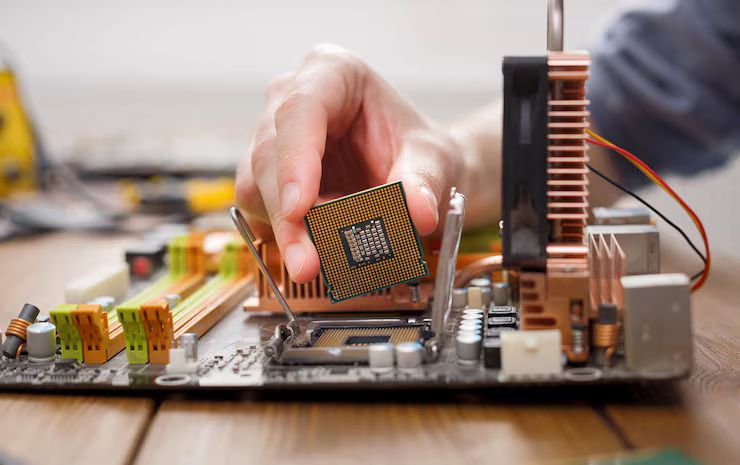
In this article, you will explore how embedded computing modules are structured, how their architecture works, and how core functions influence system behavior across different environments.
Overview of Embedded Computing Modules
An embedded computing module is a compact computing unit designed to perform specific tasks within a larger system. Unlike general-purpose systems, these modules are purpose-built to execute predefined operations with high efficiency.
One overlooked factor is that these modules are designed under strict constraints such as limited power availability, thermal limits, and space restrictions. These constraints directly influence how the module is architected and deployed.
In industrial automation systems, for example, an embedded computing module manages machine operations where timing accuracy is critical. A delay of even a few milliseconds can affect synchronization between components, showing why efficient design matters in real-world applications.
Architecture of Embedded Computing Modules
The architecture of an embedded computing module defines how its internal components interact to process data and execute tasks. It includes the processor, memory, and communication interfaces working together as a unified system.
Many people don’t realize that architectural design affects how quickly a system responds to inputs. This often leads to unexpected outcomes where inefficient data flow creates delays in execution.
In embedded system architecture, the processor handles computation while memory stores instructions and data. Communication interfaces connect sensors and external devices. If these elements are not balanced, the system may experience latency issues.
For instance, in automotive control systems, embedded system architecture must support real-time data exchange between sensors and processors. Any delay in communication can affect system responsiveness, highlighting how architecture impacts performance in practical scenarios.
Core Functions and System Behavior
The core functions of an embedded computing module revolve around data processing, control logic, and communication. These functions define how the system interacts with its environment and performs tasks.
Core functional roles:
- Data processing for executing instructions
- Control operations for managing system behavior
- Communication handling for data exchange
One overlooked factor is that these functions must operate in coordination rather than isolation. Improving processing speed alone may not enhance system performance if communication channels are inefficient.
In industrial robotics, for example, an embedded computing module processes sensor data and sends control signals to actuators. If communication delays occur, movement precision may be affected, demonstrating how core functions influence real-world system behavior.
Types of Embedded Computing Modules
Embedded computing modules can be categorized based on how they are designed and where they are applied. These categories reflect different approaches to system optimization.
General Purpose Modules
General purpose modules are designed for flexibility and can be used across multiple applications. They provide balanced performance and adaptability.
In consumer devices, these modules support a wide range of functions. However, their flexibility may reduce efficiency in highly specialized environments.
Application-Specific Modules
Application-specific modules are optimized for particular tasks such as industrial control or medical devices. These systems focus on predictable and stable performance.
In manufacturing systems, these modules handle repetitive processes with precision. Their focused design improves reliability, though adaptability may be limited.
System on Module
System on module solutions integrate processor, memory, and interfaces into a compact unit. This design simplifies integration and reduces development complexity.
In IoT systems, system on module implementations allow compact device design while maintaining functionality. However, compatibility with the overall system remains an important consideration.
Performance Factors in Embedded Systems
Performance in an embedded computing module is determined by measurable technical parameters rather than general assumptions. Processing latency, memory access speed, and communication efficiency directly influence system behavior.
Many people don’t realize that environmental conditions also impact performance. This often leads to unexpected outcomes where systems behave differently under continuous workloads or varying temperatures.
Key performance factors:
- Processing latency and execution timing
- Memory bandwidth and access speed
- Communication interface efficiency
- Thermal conditions and power stability
In automated production lines, for example, delayed data processing can affect synchronization between machines. This shows how embedded systems basics translate into real-world performance challenges.
Comparison of Module Design Approaches
Different design approaches influence how embedded computing modules perform under various conditions. Understanding these differences helps in selecting suitable configurations.
| Module Type | Strength | Limitation | Real-World Use |
|---|---|---|---|
| General Purpose | Flexible design | Moderate optimization | Consumer electronics |
| Application-Specific | High efficiency | Limited adaptability | Industrial automation |
| System on Module | Compact integration | Compatibility dependent | IoT systems |
This comparison highlights how design approaches align with different operational requirements. The most suitable option often depends on how the module will be used in practice.
Challenges in Embedded Module Design
Embedded computing modules face challenges that may not be visible during initial design stages. Integration complexity, compatibility issues, and scalability limitations can influence long-term performance.
Many people don’t realize that these challenges develop over time. This often leads to unexpected outcomes where systems perform well initially but encounter limitations as requirements evolve.
In smart devices, for example, adding new features may require additional processing capability. If the original design does not support expansion, system upgrades become difficult, showing how early design decisions affect future adaptability.
FAQ
1. What is an embedded computing module?
It is a compact system designed to perform dedicated computing tasks within a larger device.
2. Why is architecture important in embedded systems?
Architecture determines how components interact and directly affects system performance.
3. What are the core functions of embedded modules?
They include data processing, control logic, and communication handling.
4. What is system on module?
It is an integrated unit combining processor, memory, and interfaces in a compact form.
5. What affects embedded system performance?
Processing speed, memory efficiency, communication, and environmental conditions all play roles.
Conclusion
Embedded computing module design reveals how architecture, core functions, and operational factors interact to shape system behavior. Understanding embedded system architecture and embedded systems basics helps explain why performance differences appear in real-world applications.
Many people don’t realize that even small architectural choices can influence outcomes over time. This often leads to differences that become visible only under practical conditions.
As you explore further, the key insight lies in how these elements connect because the effectiveness of an embedded computing module depends on factors that are not immediately obvious.

Related Post...

Industrial Piping Systems Explained: Key Insights into Materials and Performance
Updated: April 16, 2026
Read More
Embedded Computing Module: Overview of Architecture and Core Functions
Updated: April 16, 2026
Read More