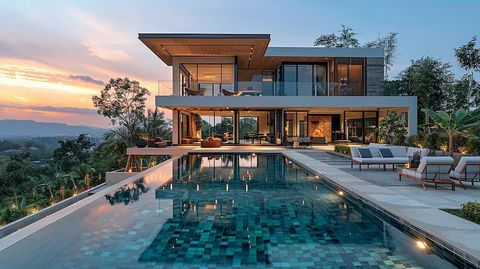
Many people don’t realize that the difference between standard premium housing and true luxury villas often lies in subtle design elements and functional integration. This often leads to unexpected outcomes where properties look impressive but fail to provide long-term comfort.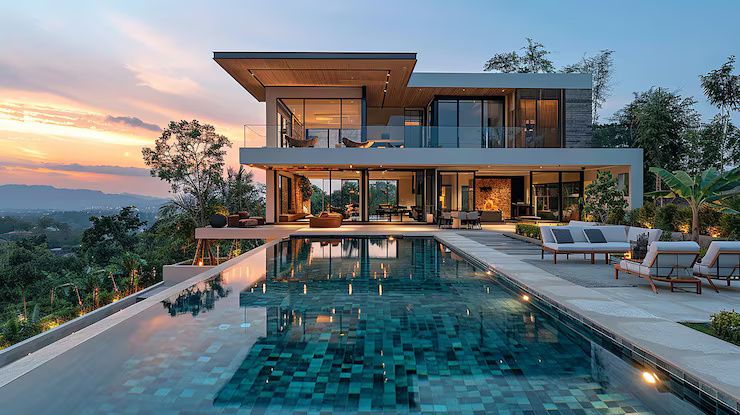
In this guide, you will explore how luxury villas function, what defines modern villa living, and how different design and lifestyle factors influence the overall experience.
Understanding What Defines Luxury Villas in Modern Living
Luxury villas are residential spaces designed to offer enhanced comfort, privacy, and architectural sophistication. Unlike standard housing, these properties focus on spatial freedom, customized layouts, and integrated lifestyle features.
This matters because the concept of modern living has evolved beyond aesthetics. It now includes how efficiently space is used, how environments adapt to daily life, and how seamlessly indoor and outdoor areas connect.
From a technical perspective, luxury villas often incorporate open-plan architecture, smart home systems, and energy-efficient design elements. These features contribute to both functionality and long-term usability.
In real-world scenarios, villas located in gated communities or private landscapes provide controlled environments that support uninterrupted living. This creates a noticeable difference compared to high-density urban housing.
Types of Luxury Villas Based on Living Experience
Luxury villas vary based on location, design, and intended lifestyle. Understanding these types helps clarify what kind of living experience each option offers.
Waterfront Villas
These villas are located near beaches, lakes, or rivers, offering scenic views and open surroundings. They are often associated with relaxed, resort-like living environments.
Urban Luxury Villas
Situated within cities, these villas combine accessibility with private living. They balance convenience with controlled space.
Eco-Friendly Villas
Designed with sustainability in mind, these villas integrate natural materials and energy-efficient systems to support modern environmental standards.
Smart Villas
These properties focus on technology integration, offering automated systems for lighting, security, and climate control.
Choosing the Right Luxury Villa (Where Most Decisions Shift)
Selecting luxury villas involves more than visual appeal—it requires understanding how design, location, and lifestyle needs align. This is where decision-making becomes complex.
This matters because many buyers or renters focus on appearance rather than long-term usability. One overlooked factor is how the villa supports daily routines rather than occasional use.
From a decision perspective, factors such as location accessibility, layout flexibility, and environmental integration play a critical role.
Key decision factors:
- Space utilization and layout design
- Connectivity to essential services
- Integration of indoor and outdoor areas
- Level of automation and control systems
For example, urban villas may provide better access to services, while waterfront villas offer a more relaxed environment. The right choice depends on lifestyle priorities rather than a single ideal option.
Real-World Living Experience in Luxury Villas
Luxury villas behave differently in real-life usage compared to how they appear in initial impressions. The actual experience depends on how well the space adapts to daily living.
This matters because design elements that seem attractive may not always support practical use. For instance, large open spaces require effective climate control to maintain comfort.
From a system perspective, villa living includes spatial movement, lighting conditions, and environmental interaction. These factors influence how comfortable and efficient the space feels.
In real-world scenarios, families often find that villas with integrated outdoor areas such as gardens or patios offer more flexible living options. However, maintenance requirements can also increase, which is something many people overlook.
Performance and Lifestyle Impact of Modern Villas
Luxury villas are designed to enhance lifestyle quality, but their performance depends on how well different elements work together. A well-designed villa supports both comfort and efficiency.
This matters because inconsistent design can reduce usability, even in high-end properties. For example, poorly planned layouts can create unnecessary movement between spaces.
From a practical standpoint, performance is influenced by factors such as ventilation, lighting, and spatial organization.
Key lifestyle impact factors:
- Natural light distribution
- Airflow and temperature control
- Functional zoning of living areas
For instance, villas with optimized natural lighting reduce dependency on artificial systems, improving overall living comfort. Similarly, well-zoned layouts create a balance between private and shared spaces.
Current Trends in Luxury Villa Living
Luxury villas are evolving as modern living expectations change. The focus is shifting toward personalization, sustainability, and technological integration.
This matters because future-ready villas are designed to adapt to different lifestyles rather than follow a fixed structure.
Currently, there is increasing demand for smart villas that integrate automation systems for convenience and efficiency. At the same time, eco-friendly villas are gaining attention due to environmental awareness.
Another trend is the blending of indoor and outdoor spaces, creating seamless transitions that enhance living experience. This reflects a broader shift toward holistic living environments.
Future Direction of Luxury Villas
Luxury villas are expected to evolve further with advancements in design and technology. The concept of modern living is becoming more adaptive and user-focused.
This matters because future developments will likely prioritize flexibility, allowing spaces to adjust based on changing needs.
From a system perspective, villas may incorporate advanced automation, modular design elements, and enhanced environmental integration.
For example, future villas could include adaptive spaces that change function based on usage. This would improve both efficiency and usability.
As these trends continue, the definition of luxury villas will expand beyond traditional concepts, making exploration an ongoing process.
FAQ
1. What are luxury villas?
They are high-end residential properties designed for comfort, privacy, and advanced living features.
2. How are luxury villas different from regular homes?
They offer larger space, better design, and integrated lifestyle features.
3. What factors should I consider when choosing a villa?
Location, layout, technology integration, and usability are key factors.
4. Are smart villas better than traditional villas?
They offer convenience, but suitability depends on individual preferences.
5. What trends are shaping luxury villa living?
Sustainability, automation, and personalized design are major trends.
Conclusion
Luxury villas represent a modern approach to living where space, design, and functionality come together to create a refined lifestyle. However, the true value of these properties lies in how well they support real-world living needs.
Many people don’t realize that choosing the right luxury villas involves more than visual appeal it requires understanding how different elements interact over time. This often leads to differences that become visible only after extended use.
As living expectations continue to evolve, exploring different villa concepts can reveal possibilities that go beyond traditional definitions of luxury.