Materials for Cable Manufacturing: Practical Tips Explained
Materials for cable manufacturing play a critical role in determining how cables perform under real-world conditions, yet many decisions around material selection are often underestimated. These materials directly influence durability, conductivity, and long-term system behavior.
Many people don’t realize that even small changes in material composition can significantly affect performance in industrial environments. This often leads to unexpected outcomes where cables fail prematurely or behave inconsistently under load.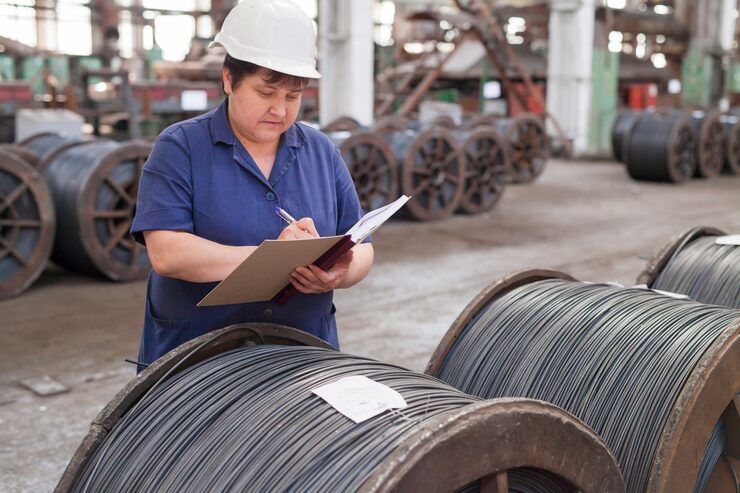
In this article, you will explore how materials for cable manufacturing are selected, how they function within cable systems, and what practical factors influence their performance across different applications.
Overview of Materials for Cable Manufacturing
Materials for cable manufacturing include conductors, insulation layers, and protective coverings that work together to ensure efficient transmission of electrical or data signals. Each layer has a specific role in maintaining system stability.
This matters because material selection directly impacts operational reliability, especially in environments where cables are exposed to heat, moisture, or mechanical stress. A mismatch in material properties can lead to degradation over time.
From a technical perspective, conductor materials such as copper and aluminum provide electrical pathways, while insulation materials like PVC or XLPE prevent leakage and ensure safety. Protective sheathing adds resistance against environmental conditions.
In industrial power systems, for example, cables operating under continuous load require materials that maintain conductivity without overheating. If insulation materials degrade due to temperature stress, system interruptions can occur, showing how material choice affects real-world performance.
Types of Materials Used in Cable Manufacturing
Different materials are used in cable manufacturing depending on application requirements. These materials are selected based on conductivity, flexibility, thermal resistance, and environmental durability.
Conductor Materials
Conductor materials form the core of cable systems and are responsible for carrying electrical current. Copper and aluminum are the most widely used materials due to their conductivity properties.
This matters because conductivity directly affects energy efficiency and signal transmission quality. Technically, copper offers lower resistance, while aluminum provides a lighter alternative with acceptable performance.
In power distribution systems, copper conductors are often preferred for high-load applications due to their stability. Aluminum, on the other hand, is used in overhead transmission lines where weight plays a critical role.
Insulation Materials
Insulation materials surround conductors to prevent electrical leakage and ensure safety. Common insulation materials include PVC, XLPE, and rubber compounds.
This matters because insulation determines how well cables withstand environmental conditions such as heat and moisture. Technically, XLPE offers high thermal resistance, while PVC provides flexibility and ease of processing.
In underground cable systems, for example, insulation materials must resist moisture and temperature variations. Poor insulation can lead to leakage currents, affecting system reliability.
Protective Sheathing Materials
Protective sheathing materials act as the outer layer of cables, shielding internal components from mechanical and environmental damage. These materials include polyethylene, thermoplastic compounds, and specialized coatings.
This matters because external protection ensures long-term durability in harsh environments. Technically, sheathing materials must resist abrasion, chemicals, and UV exposure.
In industrial plants, cables exposed to chemicals or physical wear require durable sheathing. Without proper protection, internal components may degrade, leading to system failure.
Performance Considerations in Material Selection
Material selection in cable manufacturing is influenced by specific performance requirements rather than general assumptions. Factors such as thermal stability, electrical resistance, and mechanical strength define how cables behave.
This matters because performance inconsistencies can lead to operational inefficiencies and system downtime. Even minor variations in material properties can impact overall performance.
Key performance considerations:
- Electrical conductivity affecting transmission efficiency
- Thermal resistance influencing heat dissipation
- Mechanical strength determining durability
- Environmental resistance ensuring long-term stability
From a technical standpoint, materials must maintain performance under varying loads and environmental conditions. In renewable energy systems, for example, cables must handle fluctuating temperatures and continuous operation. If materials fail to maintain stability, system efficiency may decline.
Comparison of Common Cable Materials
Different materials used in cable manufacturing offer varying advantages and limitations depending on application needs. Understanding these differences helps in selecting suitable configurations.
| Material Type | Strength | Limitation | Real-World Use |
|---|---|---|---|
| Copper | High conductivity | Heavier structure | Power distribution |
| Aluminum | Lightweight | Higher resistance | Transmission lines |
| XLPE | High thermal resistance | Less flexible | Underground cables |
| PVC | Flexible and cost-effective | Lower heat resistance | General wiring |
This comparison highlights how each material aligns with specific operational requirements. The selection depends on balancing conductivity, durability, and environmental conditions.
Challenges in Cable Material Selection
Selecting materials for cable manufacturing involves challenges that may not be immediately visible during design stages. Compatibility, environmental exposure, and long-term degradation can influence performance.
This matters because incorrect material choices can lead to premature failure and increased maintenance requirements. These issues often emerge only after extended use.
From a technical perspective, material compatibility affects how different layers interact. Thermal expansion differences between materials can create stress within the cable structure.
In offshore installations, for example, cables are exposed to saltwater and mechanical stress. If materials are not selected for corrosion resistance, degradation can occur over time, affecting system reliability.
FAQ
1. What are materials for cable manufacturing?
They include conductors, insulation, and protective layers used to build cables.
2. Why is material selection important in cables?
It affects conductivity, durability, and overall system performance.
3. What is the most common conductor material?
Copper is widely used due to its high conductivity and reliability.
4. What role does insulation play in cables?
It prevents electrical leakage and ensures safe operation.
5. What affects cable performance?
Material properties, environmental conditions, and system load all influence performance.
Conclusion
Materials for cable manufacturing determine how cables perform, adapt, and endure under real-world conditions. From conductor selection to insulation and protective layers, each element plays a role in shaping system behavior.
Many people don’t realize that small differences in material properties can lead to significant performance variations over time. This often leads to outcomes that only become visible during long-term operation.
As you explore further, understanding how materials interact within cable systems can reveal insights that are not immediately obvious, especially when balancing performance, durability, and environmental demands.

Related Post...